
Who Owns Your HVAC Company? Why Local Ownership Matters
When your air conditioner stops working during a southern Arizona summer, you need someone you can trust. You want an accurate diagnosis, clear options, and a recommendation that makes sense for your home and budget.
But there is another question worth asking before scheduling service: Who actually owns the company you are calling?
Across the country, private equity has been buying heating, cooling, plumbing, and electrical businesses. A company may keep its familiar name, logo, and service trucks after a sale. What changes behind that name can matter to customers, employees, and the community.
Why HVAC Has Attracted Investors
Over the past six years, consolidation has reshaped the home services industry. Capstone Partners tracked 143 HVAC services transactions in 2020, 190 in 2021, and 219 in 2022. Those figures include multiple types of buyers, but private equity has played a substantial role.[1]
The appeal is understandable. Heating and cooling are essential services. Equipment breaks, homes need maintenance, and aging systems eventually require replacement. In southern Arizona, reliable air conditioning is especially important during prolonged summer heat.
The pandemic reinforced the value of essential home services, although the experience was not uniformly profitable. Capstone reported that some HVAC providers struggled initially as maintenance and installations were delayed. Demand subsequently benefited from renovations, equipment upgrades, and greater attention to indoor air quality.[2]
For investors, this combination of essential demand, ongoing maintenance relationships, and a market filled with independent businesses creates an opportunity to buy companies and build larger networks.
What “Partnering” Can Mean
An ownership change is often announced as a “partnership.” That word can describe a legitimate arrangement: an owner may sell a controlling interest while keeping a minority stake and continuing to manage the business.
However, partnership does not necessarily mean the company remains independently family owned.
Public acquisition announcements sometimes explicitly state that a business will continue operating under its existing name. A southern Arizona transaction announced in 2021, for example, used partnership language and confirmed that the local brand would remain.[3]
That approach preserves recognition and the reputation built over decades. It also means customers may see little outward evidence of an ownership change.
A familiar name tells you about a company’s history. It does not, by itself, tell you who controls the business today.
Succession Is Part of the Story
Running a home services company requires more than technical expertise. Owners must develop leaders, manage finances, recruit employees, and plan for the day they step away.
Without a clear succession plan, selling to an outside buyer can become an appealing option. Private equity offers liquidity, resources, and a possible path to retirement.
Still, it would be unfair to assume every owner who sells failed to plan. Some deliberately choose a sale to support growth, diversify their finances, or gain operational help. The important issue for customers is understanding what that decision means for ownership and accountability.
How the Business Model Works
Private equity firms invest money with the goal of producing returns for their investors. In home services, a common strategy is to acquire a larger business and then add other companies to the same platform.
These networks can span multiple states. Depending on the operating model, companies may share purchasing, technology, recruiting, accounting, marketing, or other support functions.
Combining administrative functions can improve efficiency. It can also reduce the need for separate local positions, change responsibilities, or move decisions away from the community. Other buyers retain substantial local autonomy. Restructuring is a possibility, rather than a guaranteed outcome.
Outside investment can also fund equipment, training, and additional employees. The concern is how leadership balances those investments with pressure to increase revenue and margins.

When Sales Incentives Affect Service
One of the most important questions is how technicians are evaluated and paid.
Compensation can include hourly wages, salaries, commissions, bonuses, or combinations of these. Commission is not automatically unethical, and sales incentives exist in independently owned businesses, too.
But when earnings depend heavily or entirely on selling, technicians can face a conflict between recommending the appropriate repair and recommending the more profitable purchase. Reporting on the industry’s consolidation has included workers’ concerns about pressure to sell replacement systems instead of focusing on repairs.[4]
For a homeowner facing an unexpected breakdown, that distinction matters. A major replacement should follow a sound diagnosis and a clear explanation of alternatives.
Customers deserve to understand what failed, whether repair is practical, and why replacement may be preferable. Sales goals should support good service, never determine the diagnosis.
Ownership Can Change Again
A private equity acquisition may be one step in a longer chain of transactions. Investors often seek to grow a business and eventually sell their interest to another buyer, including another investment firm.
The timeline varies; five to seven years is not a fixed rule. In February 2026, Blackstone announced an agreement to acquire Champions Group from Odyssey Investment Partners after approximately five years of Odyssey’s involvement.[5]
For customers, repeated ownership changes raise a reasonable question: Who will be responsible for honoring the relationship over the long term?
You Have a Choice
Locally owned businesses need to earn a profit, too. Profit supports stable jobs, training, reliable equipment, and continued service. Family ownership alone does not guarantee quality.
What it offers is the opportunity for a direct connection between the people making decisions and the community affected by them.
Before choosing a contractor, ask:
- Who owns the company today?
- Is it independently owned or part of an investment-backed network?
- Who handles concerns after the work is completed?
- Will you explain both repair and replacement options?
- Can I receive a written diagnosis and estimate?
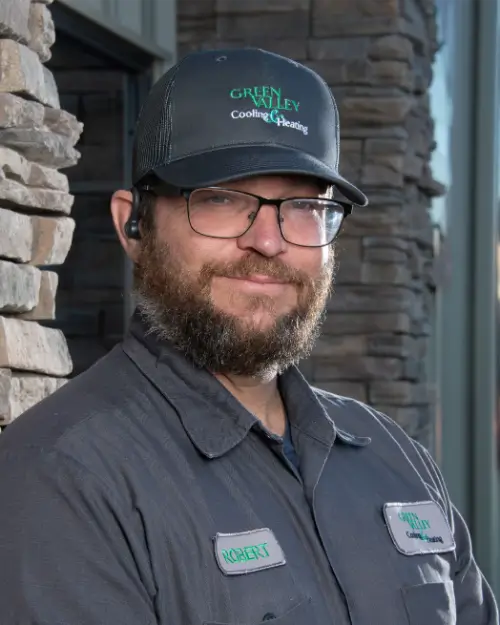
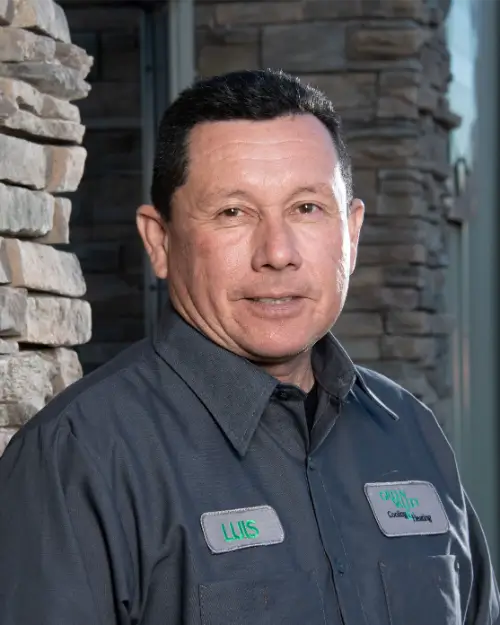
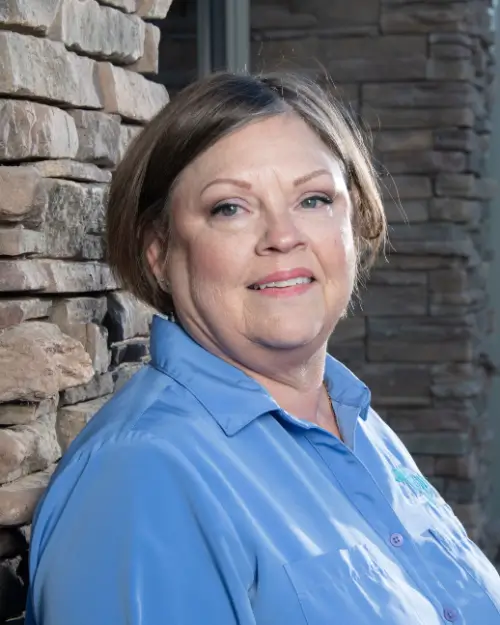
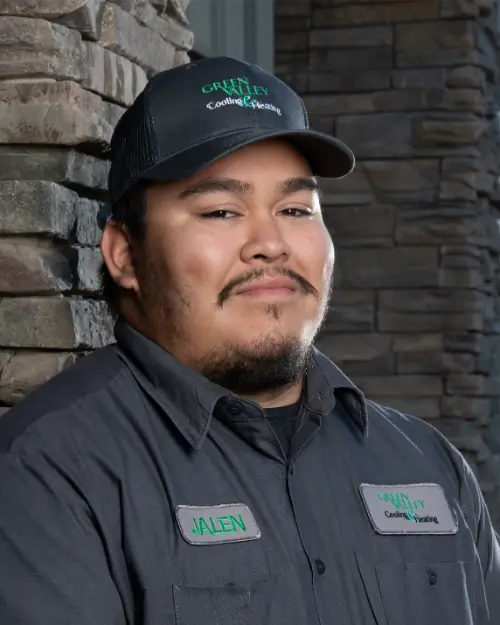
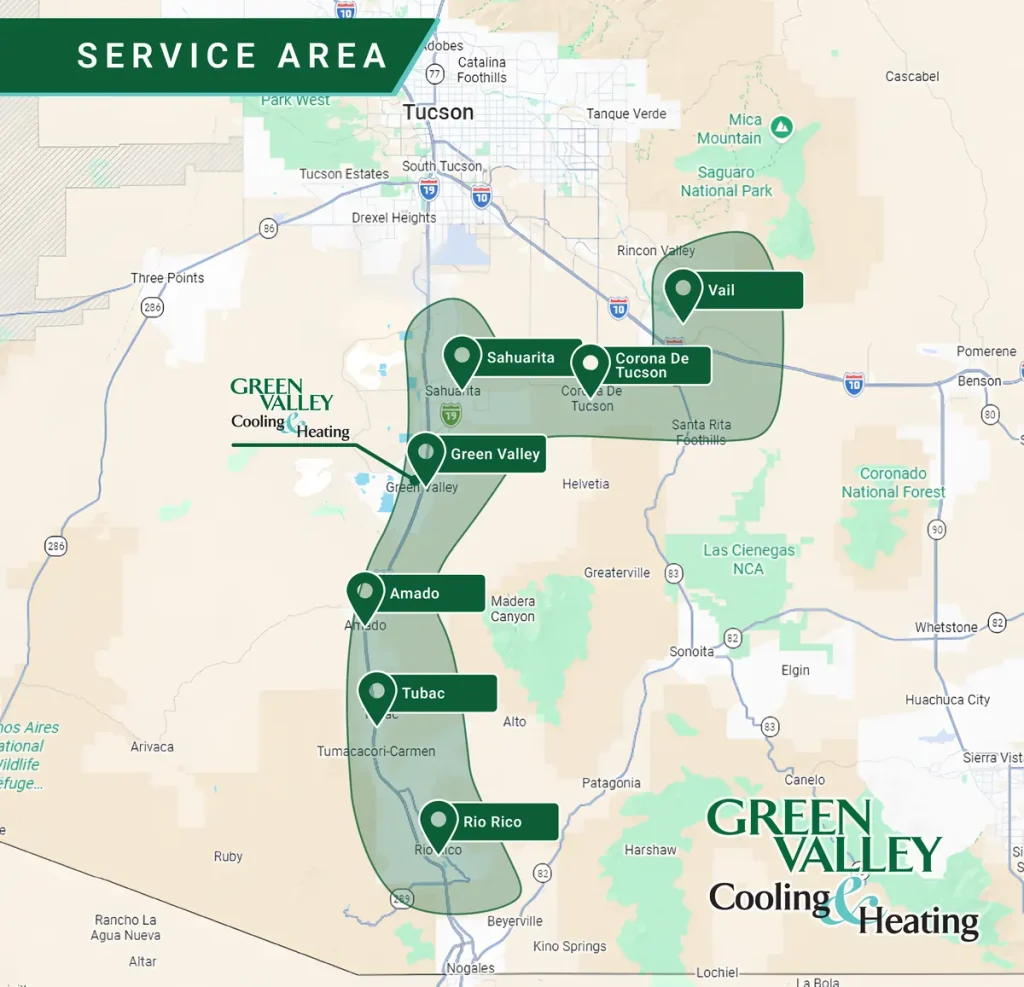
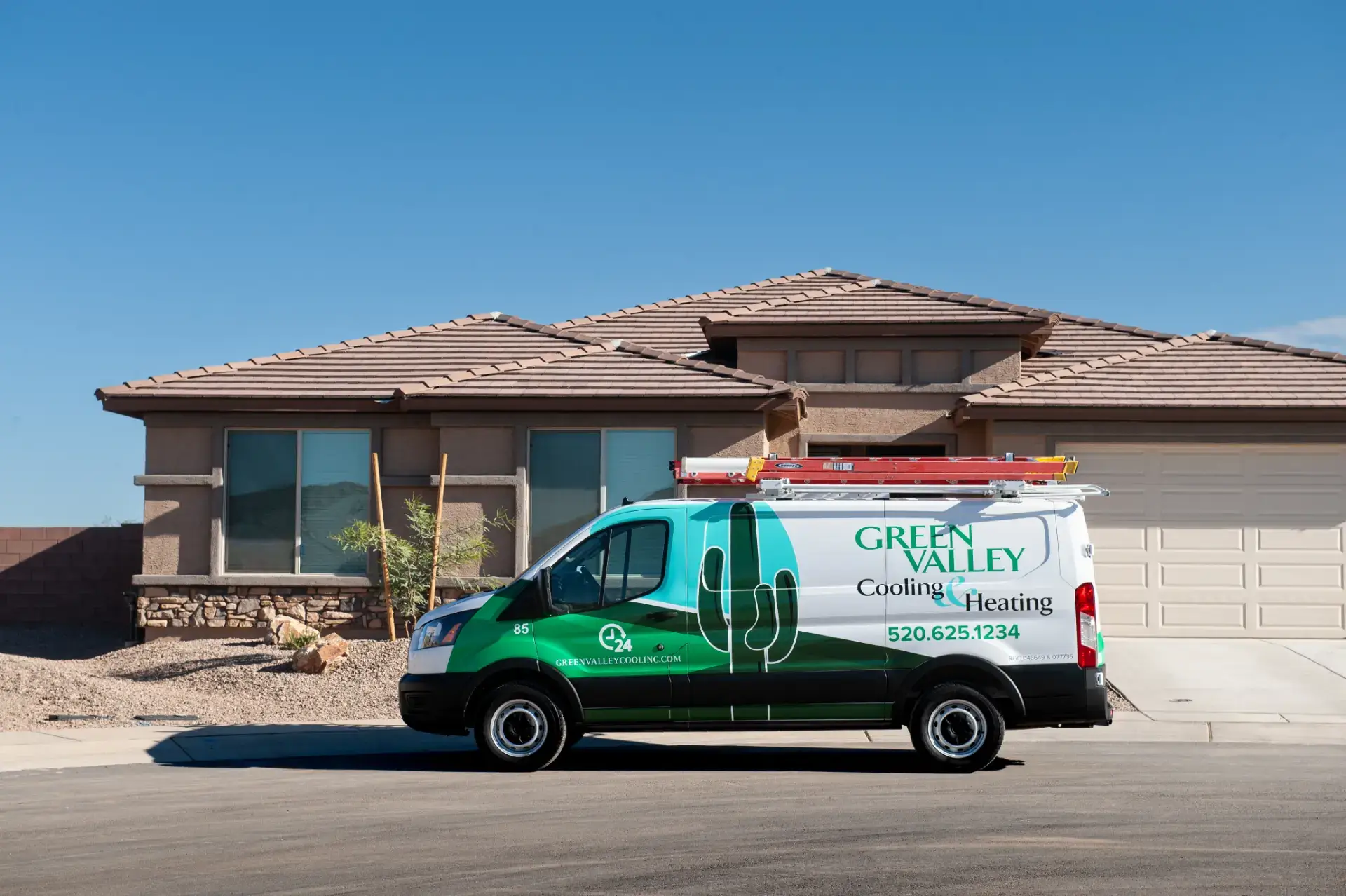
At Green Valley Cooling & Heating, we have served our community since 1968 and remain a second-generation, family-owned business. We believe customers deserve to know who stands behind the name.
Your service dollars support a business model as well as a repair. Ask questions, understand your options, and choose a company whose ownership, recommendations, and accountability align with what matters to you.
Sources
[1] Capstone Partners, HVAC Services M&A Coverage Report, October 2024
https://www.capstonepartners.com/wp-content/uploads/2024/10/Capstone-Partners_HVAC-Services_MA-Coverage-Report_October-2024.pdf
[2] Capstone Partners, Industrials Industry Middle Market Deal Activity Outlook, December 2021
https://www.capstonepartners.com/wp-content/uploads/2021/12/Capstone-Partners-Industrials-Industry-Middle-Market-Deal-Activity-Outlook_2021-1.pdf
[3] Redwood Services, Rite Way partnership announcement, January 26, 2021
https://redwoodservices.com/news/redwood-services-announces-strategic-partnership-with-rite-way-heating-cooling-plumbing/
[4] The Wall Street Journal, America’s New Millionaire Class: Plumbers and HVAC Entrepreneurs, October 12, 2024
https://www.wsj.com/business/entrepreneurship/plumbers-hvac-skilled-trades-millionaires-2b62bf6c
[5] Blackstone, Agreement to Acquire Champions Group, February 17, 2026
https://www.blackstone.com/news/press/blackstone-announces-agreement-to-acquire-champions-group/