That First Cold Morning When the Furnace Will Not Start
You wake up to a chilly house in Nogales, turn the thermostat up, and nothing happens. No warm air, no familiar hum from the furnace, just a growing cold. It is a common scene once winter nights settle over southern Arizona, and it is the moment most homeowners realize how much they rely on a working heating system. Desert winters here are mild compared to much of the country, but overnight lows still drop enough to make a dead heater a real problem for families, pets, and anyone with health concerns.
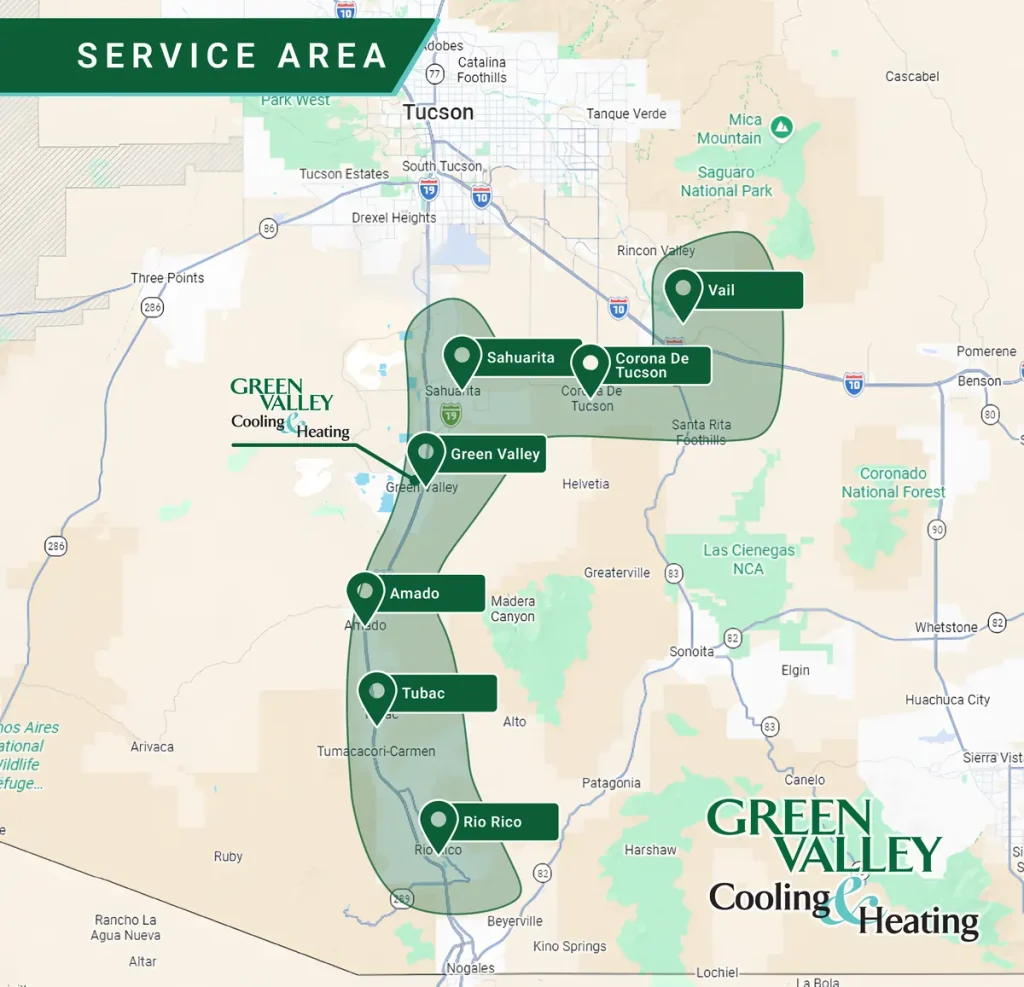
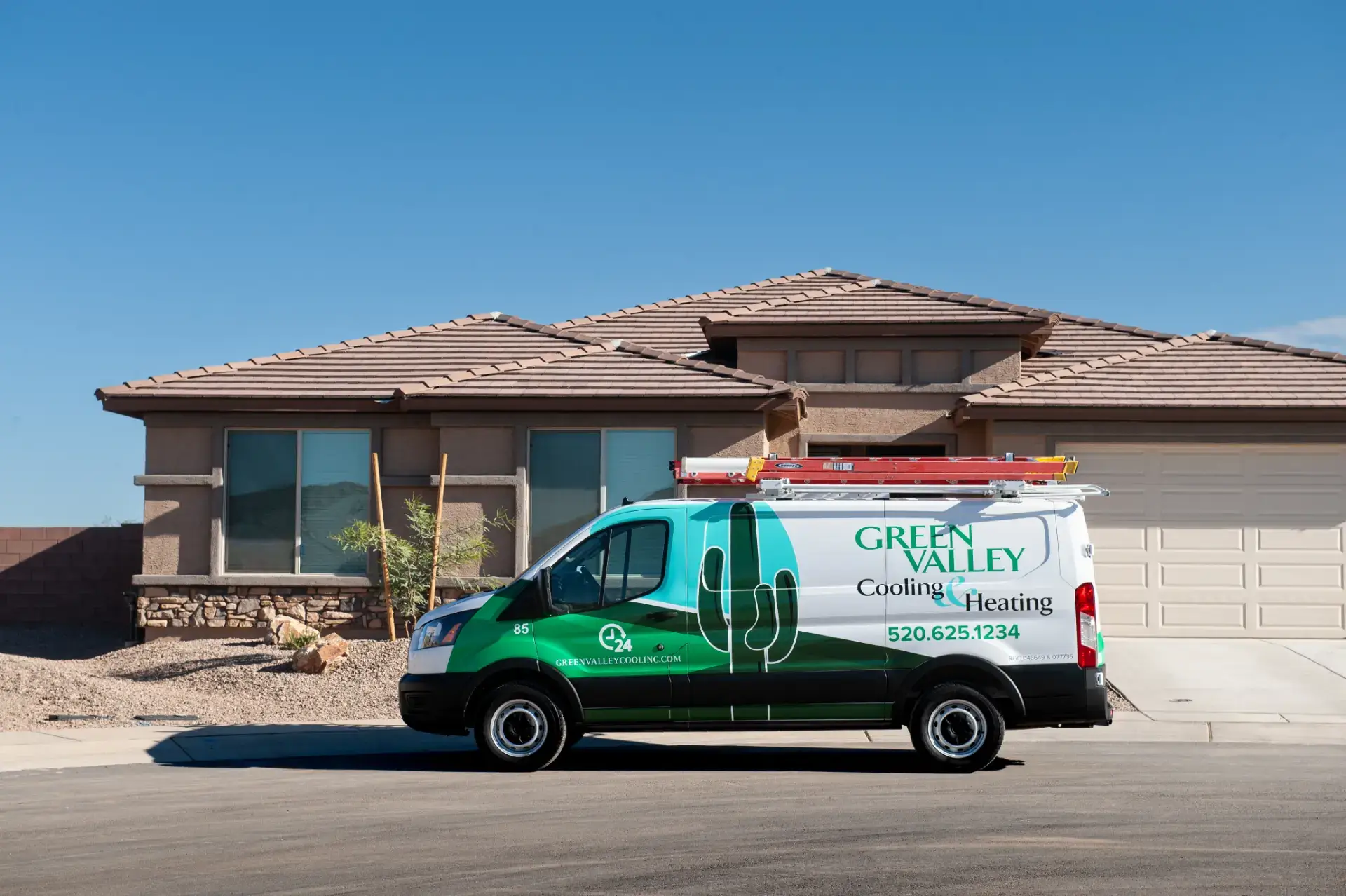
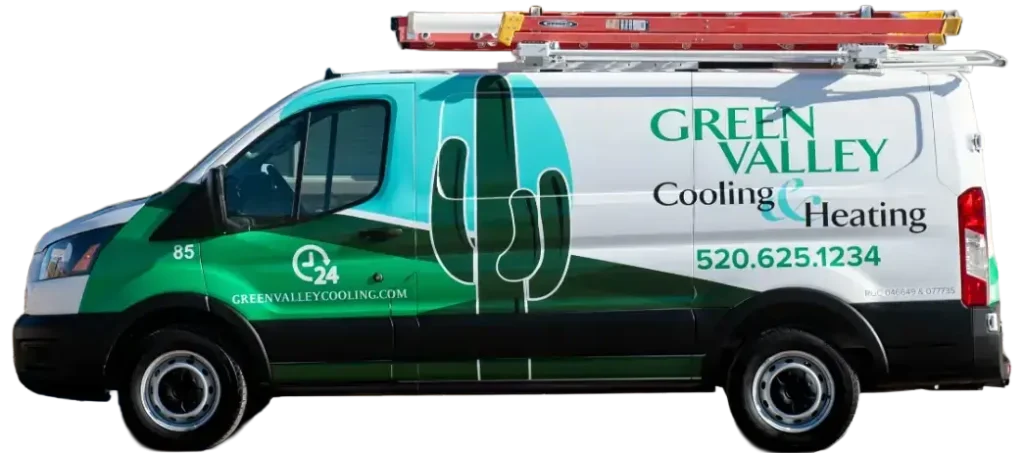
Green Valley Cooling & Heating handles heating service across Nogales, AZ, and we have been doing this kind of work since 1968. What started as a one-man operation is now a woman-led organization with more than 50 team members. That growth did not change our focus. We still treat each heating call as a problem to solve correctly the first time, not a chance to sell parts you do not need.
What Heating Service Actually Covers
People often use “heating service,” “heater service,” and “furnace service” to mean the same thing, but the work spans several distinct tasks. Service can mean a seasonal tune-up before the cold arrives, a diagnostic visit when something stops working, or a repair to fix a confirmed fault. Understanding which one you need helps you get the right outcome.
During a standard furnace service, our NATE-certified technicians work through a full inspection rather than a quick glance. A complete visit usually includes the following checks:
- Heat exchanger inspection: looking for cracks or corrosion that can let combustion gases escape into your living space.
- Burner and ignition check: cleaning burners and confirming the igniter or pilot lights reliably every cycle.
- Airflow measurement: testing temperature rise across the system and inspecting the blower and filter for restrictions.
- Safety control testing: verifying limit switches, flame sensors, and the gas valve operate within specification.
- Thermostat calibration: making sure the thermostat reads accurately and signals the furnace as it should.
Each of these steps targets a specific failure mode. A dirty flame sensor, for example, is one of the most common reasons a furnace lights and then shuts off seconds later. Catching it during a tune-up prevents a cold morning later in the season.
How We Diagnose a Heating Problem
When you call about a furnace that will not run or will not keep up, we do not start by swapping parts. We start by measuring. The goal is to find the root cause, because replacing a part without understanding why it failed often leads to a repeat failure within weeks.
Our diagnostic process follows a clear order. We confirm the thermostat is calling for heat, check that the furnace is getting power and gas, and then watch the ignition sequence from start to finish. Modern furnaces report fault codes through a status light, and those codes point us toward the pressure switch, draft inducer, or control board depending on the pattern. From there we take live readings of voltage, gas pressure, and temperature rise to confirm the fault before we recommend any work. This method keeps repair costs honest and the results lasting.
Common Heating Repairs in Nogales Homes
The equipment in this region sees its own particular wear. Dust from the surrounding desert clogs filters and blower wheels faster than average, and systems that sit idle through long warm stretches sometimes struggle on their first cold startup. Over the years, a handful of issues come up again and again:
- Failed igniters: hot surface igniters are fragile and wear out, leaving the furnace unable to light the burners.
- Clogged filters and restricted airflow: the leading cause of overheating and short cycling we see on service calls.
- Faulty flame sensors: a thin layer of residue makes the furnace shut down for safety even when it lit correctly.
- Worn blower motors or capacitors: these parts degrade with run hours and cause weak airflow or no airflow at all.
We carry common parts on our trucks so many of these repairs finish in a single visit. For older systems, we give you a straight assessment of whether a repair makes sense or whether replacement is the better long-term value. We will not push you toward a new unit when a repair will serve you well.
Why Choose Green Valley Cooling & Heating
The quality of a heating service depends on the training and tools behind it. Our air conditioning and heating specialists keep up with factory-sponsored training and use smart technology and advanced procedures to get the most out of every visit. Every member of our team is clean air certified, which means we respect the air you breathe inside your home while we work.
Our NATE-certified technicians are here to serve your best interests, and that priority shapes how we handle every call. When your furnace fails on a cold Nogales morning, you want a company that measures carefully, explains clearly, and fixes the actual problem. That is the standard Green Valley Cooling & Heating has held since 1968, and it is the standard we bring to your heating service today. Call us to schedule a tune-up before winter or to get a struggling furnace back in service.
GET A FREE QUOTE
Ready to schedule your HVAC service? Contact us today for a free, no-obligation in-home estimate.
Hours
We are open 24/7